
Musical backing

Across the history of cinema, films have often emanated from source material that was considered to be either of sufficient quality, identified commercial value or likely a bit of both. During the earliest days of cinema there was a voracious appetite for content to feed an explosion in production in response to massive audience demand, and this largely came from published books (both fiction and non-fiction) and successful (and sometimes not so successful) plays. They proved to be a reliable source that led to good screen stories and often good box office receipts.
More recently studios have expanded their focus to other source material - comic books, video games, and even amusement park rides. In the 1980s music videos became an art-form in their own right, many taking their inspiration from classic movies. In turn movies have been influenced by musicians and music videos, and this has led to the production of films of widely varying quality.
The hugely over-rated
The film that first inspired my thoughts about music video inspired films was when Coyote Ugly popped up on my TV. While I’d never seen it before, I knew of it and had friends who’d raved about it (many years ago). I actually turned it off several times during the ad breaks, but kept switching it back on and managed to see it through to the end.
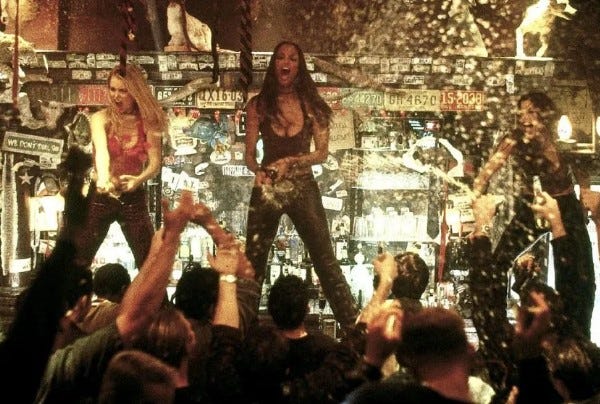
The film was supposedly was based on the real life experiences of Elizabeth Gilbert which were documented in her essay “The Muse of the Coyote Ugly Saloon”. I believe the accuracy of Gilbert’s writing about ‘real events’ has been called into question, and I found it hard to believe most of what took place in the film. I didn’t believe that so many wankers would crowd into a bar with such piss-weak entertainment. I didn’t believe that a business would survive while flouting so many safety standards. And I found all the performances in this film made Tyra Banks look like she had some acting ability (which she doesn’t).
Some of the music was reasonably good (the soundtrack sold well) but the only half-decent thing was John Goodman’s performance despite working with seriously second rate material. But then Goodman has admitted that he only appeared in the film for the money.
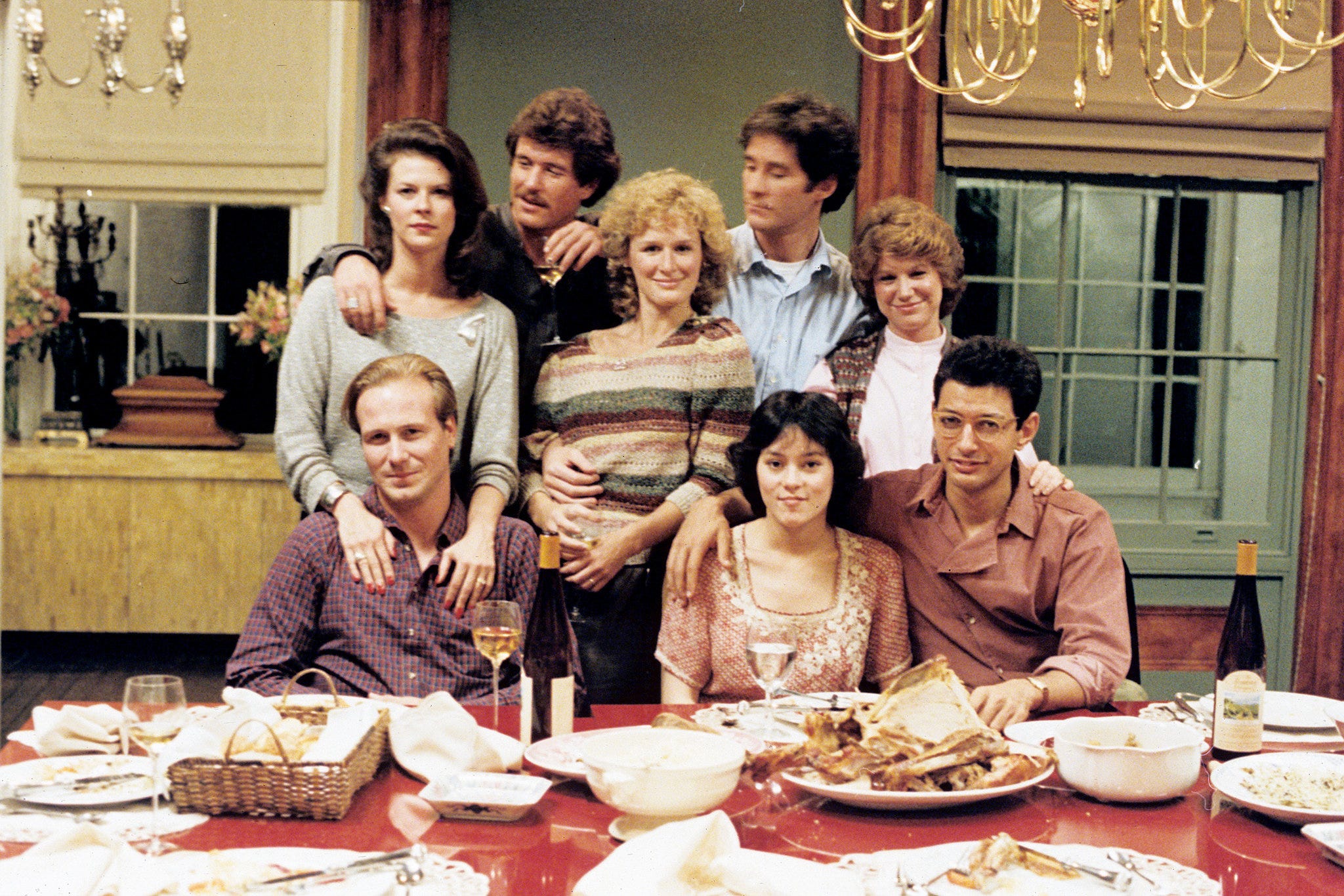
I was familiar with the soundtrack for The Big Chill (which has sold more than 6 million copies) long before I ever saw the movie. While the cast were relative unknowns at the time of the film’s release, by the time I saw the film they were household names. Ideas of story seem to have been an afterthought with the film little more than a series of music backed sequences tied together with lame interactions between former university friends with too many unresolved issues. But I can’t put it better than Roger Ebert who described it as:
… a splendid technical exercise. It has all the right moves. It knows all the right words. Its characters have all the right clothes, expressions, fears, lusts, and ambitions. But there’s no payoff and it doesn’t lead anywhere.
Basically a nothing film, that without its soundtrack is less than nothing.
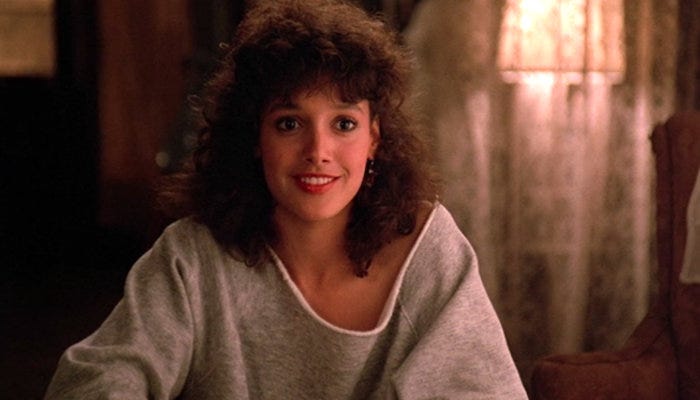
Flashdance is a film I really liked when I first saw it, but a film I hadn’t seen in many years until recently. I managed to find a copy that had been dubbed in Russian, and though I don’t speak the language it didn’t adversely affect the viewing experience. What holds the film together is basically a series of music videos, some filler scenes on the streets (watching breakdancers) and on the ice, along with liberal use of Jennifer Beals as eye candy.
It remains watchable in a vacuous kind of way, like an hour or two flopped in front of MTV. Though I’m not sure MTV shows that many music videos anymore.
The really interesting
In early 1964 the world was gripped by Beatlemania and there was great interest in featuring the band in a film, in large part to take advantage of how well the movie’s soundtrack was likely to sell. United Artists were falling over themselves to support the film on a number of conditions - that the film would be ready for release in 16 weeks and be made on a tiny budget. In return the Beatles got to choose their screenwriter, their director, and were allowed the freedom to stray from the script.
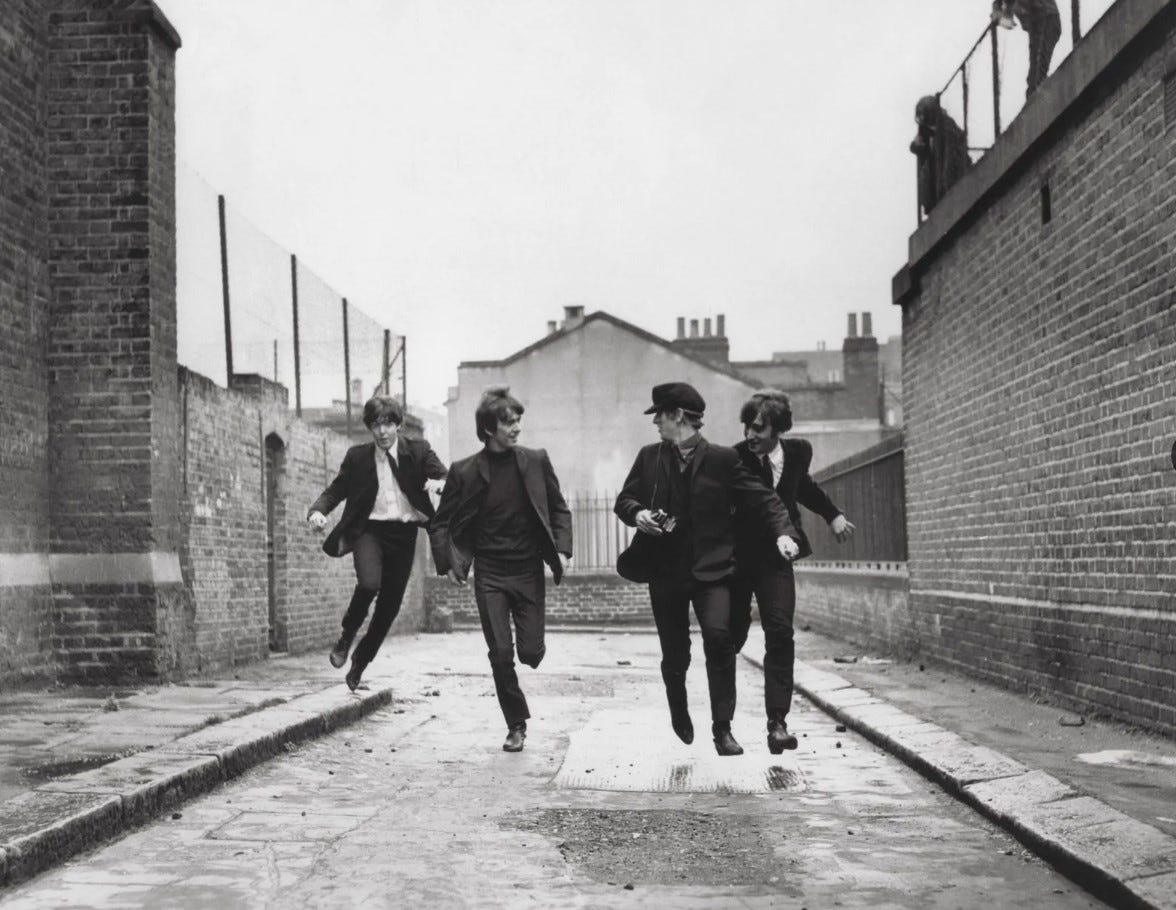
Alun Owen was chosen on the strength of his 1959 play No Trams to Lime Street, and his demonstrated ability to write in the group's Scouse dialect. Owen spent several days with the group, getting to know each member and their idiosyncrasies. That and the freedom afforded to them by director Richard Lester led to a unique film that captured the time and the people who lived through it.
It was also ground breaking. Modeled after documentaries and contemporary news coverage the intention was to create a mockumentary of a day in the life of the band. As a result it influenced many films that followed it, while remaining an enjoyable film to watch.
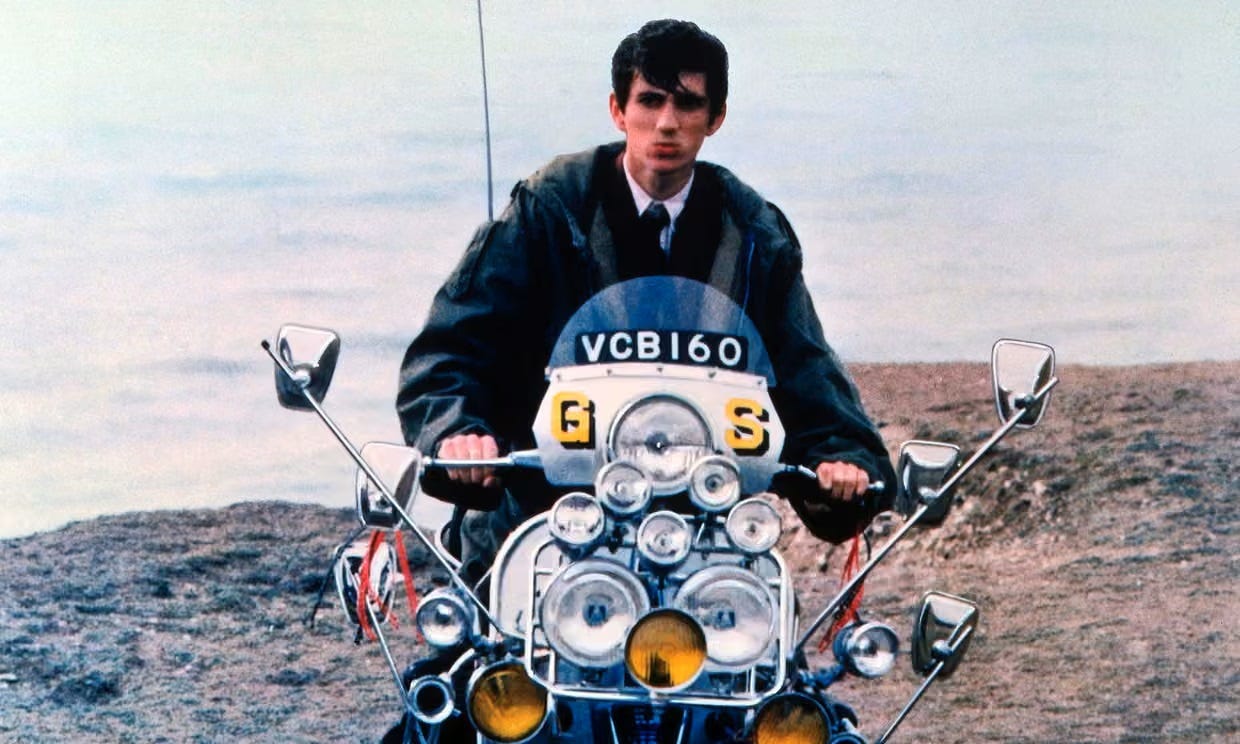
Quadrophenia was also a film, inspired by music, that took a unique and innovative path. Based on the Who’s 1973 rock opera of the same name, it too benefited from a great deal of artistic freedom and no requirement to feature The Who songs or any of the band. Director Franc Roddam was making his feature directing debut and female lead Leslie Ash was making her screen debut and they both worked with few expectations.
The approach was… that’s the location, these are the actors, this is the weather, we’ve got this much time - and they’d take it from there. Having the freedom to play with it led to a result audiences found more real and far more playful. Leslie Ash remembers her part in the film as:
“It was the first thing I’d ever done, really, so working with Frank, it was a completely new way. We had a script but we didn’t really use it... we basically improvised a lot.
While a cover band or a tribute band can be inspired by music to produce something that is ‘the same but different’, music can have a similar effect on a film. Great filmmakers can break free in the same way that a jazz musician breaks free of a tune or a melody to create something fresh and new.